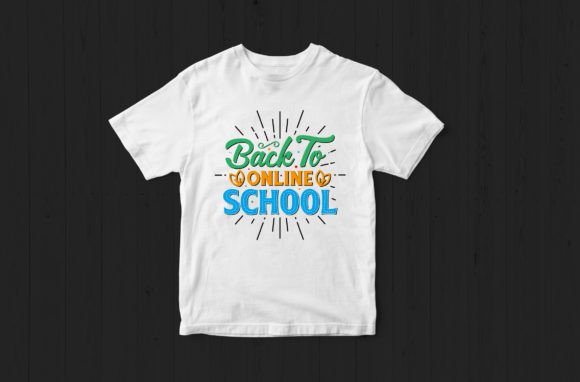
Back to Online School SVG
A Designer’s Real-World Look Before the First Stitch
As someone who’s digitized, stitched, and sold hundreds of embroidery designs — from nursery decor to boutique apparel — I opened Back to Online School SVG expecting a lighthearted, timely back-to-school motif. What I found was clean, friendly, and intentionally uncluttered — but not without real-world considerations. I tested it as part of a custom embroidered tote bag for a local homeschool co-op: soft cotton canvas, medium-weight tear-away stabilizer, and 40-weight polyester thread. That’s where the design revealed its true personality — and its limits.
First Impression: Cheerful, Not Cutesy — and That Matters
The layout is balanced: centered phrase with subtle school-themed accents (a laptop icon? A stylized book? It depends on the version — but it’s never overwhelming). There’s no forced whimsy or cartoon overload. That makes Back to Online School SVG feel authentic for older kids, teens, and even adult learners — a big win if you’re stitching for hybrid classrooms, tutoring businesses, or remote-work parents. Visually, it reads well at 3.5–4 inches wide, which fits comfortably on a tote handle strap, sweatshirt chest, or baby onesie front. But zoom in, and you’ll notice thin strokes and modest spacing between letters — details that translate beautifully in vector form, but need careful handling under needle and thread.
Where It Shines (and Where It Needs Guardrails)
Back to Online School SVG works best when treated like a confident supporting player — not the sole star of a complex embroidery project. It excels on:
- Tote bags and tea towels — flat surfaces let the letterforms hold crispness; minimal fill stitch density means faster sew-outs and less puckering;
- Sweatshirts and structured caps — the clean lines avoid distortion on slightly curved or textured knits, especially when paired with a light cutaway stabilizer;
- Personalized gifts for educators or students — think pillow covers for dorm rooms, aprons for virtual cooking classes, or patches sewn onto backpacks. Its tone feels warm, inclusive, and quietly professional.
But caution applies in three key areas:
- Small hoop sizes (under 4”) — scaling down tightens letter spacing and risks merging fine strokes. Test at your intended size before committing to a client order.
- Thin or stretchy fabrics — like lightweight jersey or baby rib knit — require extra stabilization and slower stitching speeds. Running stitch outlines help, but dense satin-stitched letters may shift or blur without proper backing.
- Dark or heavily textured backgrounds — the design’s modest contrast relies on clear thread-to-fabric distinction. On charcoal terry cloth or heather grey fleece, opt for bright white or neon yellow thread — and always preview in a black-and-white mockup first.
What It Adds (and Doesn’t Add) to Your Finished Product
This isn’t a “wow” design — it’s a “yes, this fits” design. When stitched cleanly, Back to Online School SVG elevates handmade product perception by feeling intentional, not generic. Customers recognize the relevance instantly: no decoding needed, no dated clipart energy. That builds trust — especially for Etsy sellers listing personalized back-to-school bundles or craft fair vendors offering monogrammed nursery items. It also supports brand consistency across digital and physical touchpoints: use the same SVG for a printable mockup, a heat-transfer vinyl cut, and an embroidery file — all while keeping visual language unified.
That said, it doesn’t carry decorative weight on its own. You won’t want to use it solo on a holiday gift blanket or wedding favor unless paired with complementary elements (a simple border, coordinating applique shape, or monogram). As a standalone machine embroidery design, it delivers clarity and context — not ornamentation.
Practical Notes Every Embroidery Designer Should Check
Before adding Back to Online School SVG to your next craft business launch or client project, run these checks:
- Test on scrap fabric first — especially if using textured or dark materials. Note how small letterforms hold up after washing.
- Review stitch density — low-to-moderate fill areas mean less thread consumption and smoother results on mid-range machines.
- Confirm hoop size compatibility — some versions may include optional icons or alternate layouts that push width limits.
- Inspect corners and terminals — sharp angles in lettering (like “K” or “R”) can snag on delicate fabrics unless digitized with gentle tapering.
- Check licensing terms — since it’s listed as a Graphics item in the Crafts category and labeled “fully editable,” verify whether commercial use of finished embroidered products is permitted. When in doubt, contact the seller directly.
- Compare thread color contrast — try it in matte black, soft sage, and buttercream on both light and dark grounds. Some versions render better with tonal vs. high-contrast pairings.
Final Thought: A Quietly Reliable Design Asset
Back to Online School SVG won’t go viral — and it shouldn’t. Its strength lies in quiet utility: it solves a real seasonal need without overpromising. For small shop owners stitching custom sweatshirts for online tutors, Etsy sellers bundling baby embroidery kits, or crafters making personalized teacher gifts, it’s a dependable, mood-appropriate asset. Just remember: great embroidery starts long before the hoop clicks into place. It starts with knowing what a design *does* — and doesn’t — bring to the fabric, the customer, and your creative practice. This one brings focus, relevance, and calm confidence. Use it that way.